
Two whistle-blowing Shrinks
here to deep-throat the shit out of the truth

The Chemical Imbalance Myth Is Still Being Sold to Patients
What if the “chemical imbalance” you've been told about isn't actually the explanation you thought it was? In our latest episode of The Gaslit Truth Podcast, writer and poetry therapist Ann Bracken shares her journey through chronic pain, psychiatric medications, opioids, ECT, emotional numbing, and the struggle to reclaim her own agency. We talk about what happens when curiosity gets replaced by a diagnosis, informed consent gets reduced to a prescription, and patients aren't given the full story about psychiatric medication and withdrawal. This is a raw conversation about questioning the narratives we've been handed and finding your way back to yourself.
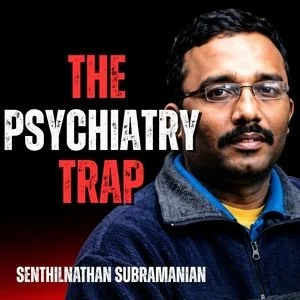
What If the Diagnosis Is the Withdrawal?
What if the “mental illness” isn’t the whole story?
What if the symptoms we’re diagnosing are actually being caused—or intensified—by the treatment itself?
I know this question personally. During my three-year deprescribing journey from Lexapro, I experienced suicidal and homicidal thoughts that felt completely foreign to me. I knew these thoughts didn’t feel like me. The medication timeline mattered.
So when someone suddenly develops insomnia, racing thoughts, intrusive thoughts, anxiety, brain fog, sexual dysfunction, or frightening changes in their thinking, why is the first question so often “What’s wrong with you?” instead of “What changed?”
What medication was started? What was stopped? Was the dose changed? How quickly did the symptoms appear? Could withdrawal or adverse effects be part of the picture?
In our latest episode of The Gaslit Truth Podcast, Dr. Teralyn Sell and I sit down with Sendil, whose journey from blood-pressure treatment to multiple psychiatric medications raises exactly these questions.
A symptom is not an explanation. And a frightening thought does not automatically define the person having it.
Maybe before we diagnose the person, we need to investigate the timeline.
Because sometimes the thing we’re calling the illness is actually part of the story of what happened to them.
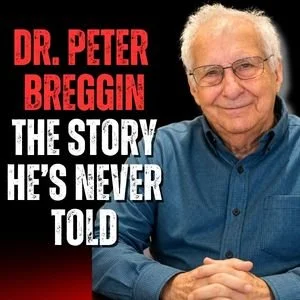
Beyond the Controversy: The Peter Breggin You’ve Never Met
Peter Breggin’s Psychiatric Drug Withdrawal was the first book that opened my eyes to the reality of psychiatric drug withdrawal and changed the way I understood psychiatric medication. So sitting down with Peter for this deeply personal conversation was more than an interview for me. It was an opportunity to meet the man behind the work that helped shape my own path as a therapist and as someone who has personally experienced tapering. In this episode, Peter and Ginger share a side of his story you haven’t heard before.
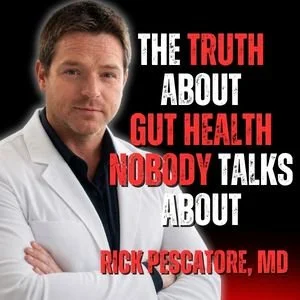
Dr Rick Pescatore, MD: The Truth About Gut Health Nobody Talks About
What happens when your labs are normal, your CT scan is normal, but your suffering isn't? Whistle-Blowing Shrinks Therapist Jenn and Dr. Teralyn alongside Dr. Rick Pescatore explore the gut-brain axis, neurotransmitters, thiamine deficiency, psychiatric medications, and why digestive symptoms can be deeply connected to mental health.
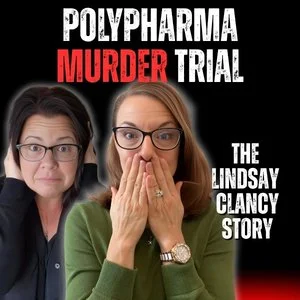
The Lindsay Clancy Lawsuit And The Dangers Of Psychiatric Polypharmacy
I know what it feels like to be afraid of your own mind. As a mother and therapist who experienced severe akathisia and frightening intrusive thoughts during psychiatric medication withdrawal, the Lindsay Clancy case hits close to home. In this episode of The Gaslit Truth Podcast, we examine postpartum mental health, psychiatric medications, polypharmacy, akathisia, medication withdrawal, and the critical question we need to ask when a mother’s mental state dramatically changes: What happened to her?

Once a Cheater, Always A Cheater and Other Affair Recovery Myths with Dr Kathy Nickerson
What if everything you've been taught about infidelity is wrong? Discover the research that's challenging relationship myths and offering a more hopeful path to healing.
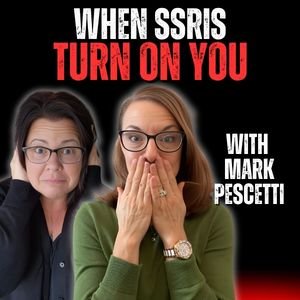
When "Feeling Better" Doesn't Feel Like You Anymore: Mark Pescetti’s Story of PSSD, SSRI Side Effects, and Hope
In this episode of The Gaslit Truth Podcast, Mark Pescetti shares how citalopram (Celexa) initially brought relief before leading to emotional blunting, memory issues, sexual dysfunction, and the devastating experience of being dismissed by healthcare providers. He candidly discussed antidepressant withdrawal, the importance of slow tapering, and the grief, healing, and hope that come with reclaiming your life. If you've ever wondered whether your SSRI changed you—or left you searching for answers—you won't want to miss this honest conversation.
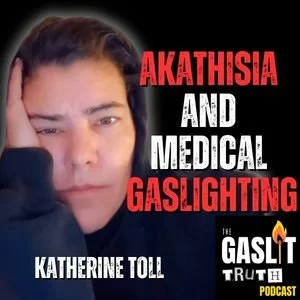
Akathisia Isn't "Just Anxiety"—So Why Are So Many People Being Told It Is?
What if what you've been told is "just anxiety" is actually akathisia? In this powerful episode of The Gaslit Truth Podcast, Katherine Toll shares how a single medication triggered a life-changing adverse drug reaction that was misdiagnosed as panic disorder for decades. We dive into akathisia, medication injury, antidepressant withdrawal, and the medical gaslighting that leaves too many patients misunderstood and untreated. If you've ever experienced strange or terrifying symptoms after starting, stopping, or changing a psychiatric medication, this conversation is one you won't want to miss.
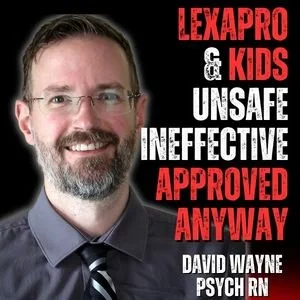
Lexapro For Kids: Unsafe, Ineffective, Approved Anyway with Psych RN David Wayne
Safe and effective.”
Those words sound reassuring—but what if they don’t tell the whole story?
On this episode of The Gaslit Truth Podcast, I sit down with psych nurse David Wayne to examine the research behind Lexapro (escitalopram) for pediatric anxiety and ask the question every parent deserves answered:
What does “works” actually mean if a child doesn’t truly feel better?
This conversation is personal for me.
I was a teenager when I was prescribed Lexapro. My parents trusted that I was being given something safe and helpful. I never imagined that 25 years later, I would be three years into a difficult tapering journey, confronting questions about withdrawal, long-term effects, informed consent, and what patients are truly told before starting psychiatric medications.
We break down the clinical trial data behind Lexapro, how “success” is measured, the difference between statistical significance and meaningful improvement, and the safety concerns that deserve a deeper conversation—including suicidality signals, activation symptoms, and Post-SSRI Sexual Dysfunction (PSSD).
This isn’t about telling people what choices they should make.
It’s about asking better questions.
It’s about informed consent.
Because a prescription isn’t just a treatment decision.
It’s a life decision.
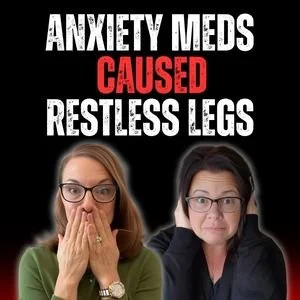
From 9/11 Anxiety to Restless Leg Syndrome caused by psych med injury | The Gaslit Truth Podcast with Dr Teralyn Sell and Therapist Jenn Schmitz
What if the symptoms you're chasing aren't a new diagnosis—but the result of the treatment itself? In this episode of The Gaslit Truth Podcast, I sit down with Martin Cranford to unpack the hidden risks of psychiatric medications, withdrawal, Restless Leg Syndrome, dopamine agonists, and why asking better questions could change everything.
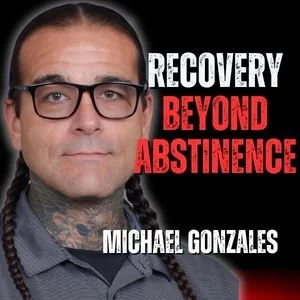
Recovery Beyond Abstinence with Celebrity Interventionist Michael Gonzales
For decades, addiction treatment has promoted a one-size-fits-all approach—but what if that's part of the problem? In this episode of The Gaslit Truth Podcast, I sit down with former Intervention cast member Michael Gonzales to challenge recovery's biggest myths and explore why honesty, harm reduction, and individualized care may save more lives than rigid rules ever will.
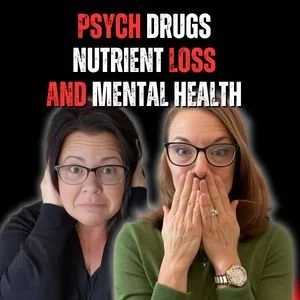
Psychiatric Drugs and Nutrient Loss: The Missing Piece in Mental Health | The Gaslit Truth Podcast with Dr Teralyn Sell and Therapist Jenn Schmitz
Can psychiatric medications deplete the very nutrients your brain needs to function? In this candid episode of The Gaslit Truth Podcast, Dr. Teralyn and I explore nutrient depletion, micronutrient testing, SSRI withdrawal, and practical strategies to support the nervous system during deprescribing. We also discuss how symptoms of nutrient depletion can often mimic what gets labeled as depression, anxiety, or brain fog. If you've ever wondered why tapering feels so difficult, or whether or not you ACTUALLY have a mental illness, this conversation is for you!
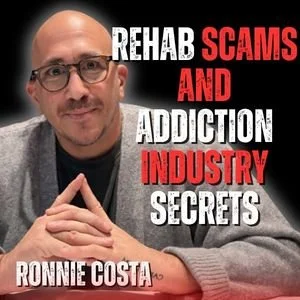
Rehab Scams Exposed: Addiction Industry Secrets w/ Ronnie Costa
The addiction world sells hope — but if you or someone you love has ever searched “rehab near me,” you know how overwhelming it can be trying to figure out what’s real, what works, and who truly has your best interest in mind.
On this episode of The Gaslit Truth Podcast, I sit down with Ronnie Costa, recovery coach and chemical dependency counselor, to talk about addiction, recovery, and the parts of the treatment industry many people never hear about.
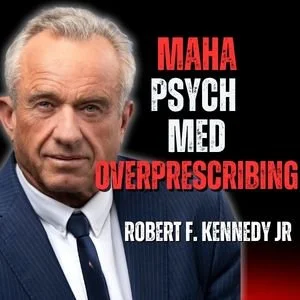
RFK Jr. and Psych Med Overprescribing: A Disruption to the Mental Health Industry
Everyone is celebrating a new push for informed consent in mental healthcare. My question is: where was informed consent before? In this episode, Dr. Teralyn Sell and I unpack psychiatric overprescribing, medication withdrawal, therapist training gaps, and why true patient choice requires more than a signature on a consent form.
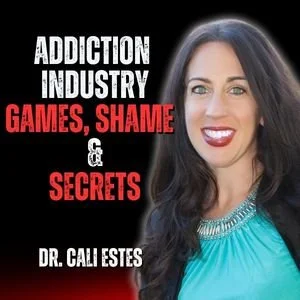
Addiction Industry Games, Shame & Secrets with Dr. Cali Estes
The addiction and mental health industries have a HUGE problem that no one wants to talk about. In the latest episode of The Gaslit Truth Podcast, I sat down with Dr. Cali Estes to talk about the uncomfortable realities inside the addiction treatment industry. It’s gross. It’s real. And as a therapist trained in addiction, I never knew this shit existed.
Dr. Cali Estes is a global leader in addiction recovery who has trained tens of thousands of professionals, but she’s also lived this personally. And right now, she’s filming an upcoming Netflix series exposing the addiction and mental health industry and many of the exact issues we discussed in this episode.
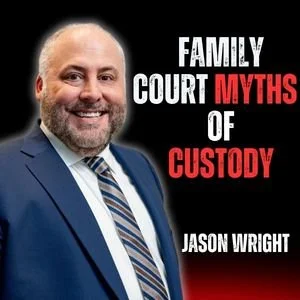
Family Court, Mental health, Addiction & Myths of Custody with Attorney Jason Wright
What is the #1 thing I learned from hosting the most recent episode of The Gaslit Truth Podcast? People walk into family court carrying a lot of assumptions that simply do not match reality. Just because you think you should have 50/50 custody of your child doesn’t mean you are right.
In the latest episode, I sat down with award-winning Austin family law attorney Jason Wright, and this conversation was one giant reality check. Not because Jason is cold or dismissive. Actually, he is the opposite. He’s incredibly direct about the difference between what feels emotionally true and what actually matters in court.
That distinction is where a lot of people get blindsided.
Honestly, this episode is one I wish more people would hear before they spend thousands of dollars, spiral from internet advice, or walk into court expecting validation they may never receive there.
If you’re navigating divorce, custody, or high-conflict co-parenting, listen to this one! And if you know someone stuck in the emotional chaos of family court TikTok or Reddit rabbit holes, send this episode their way.
Sometimes the truth isn’t comforting — but it is clarifying.
And that’s exactly what we do on The Gaslit Truth Podcast.
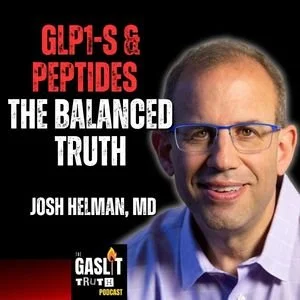
GLP-1 & Peptides, The Balanced Truth with Dr Josh Helman
There’s a conversation happening around GLP-1 drugs like Ozempic, Wegovy, and tirzepatide that feels strangely one-sided.
These medications are being marketed as breakthrough solutions for weight loss, and I understand why people are interested. So many people are exhausted by dieting and desperate for something that finally works. But on this episode of The Gaslit Truth Podcast, I wanted to slow the conversation down and ask harder questions.
I sat down again with Dr. Josh Hellman, a Harvard-trained physician and lifestyle medicine expert, for one of the most honest conversations I’ve heard yet about peptides and GLP-1 agonists. Not fear-mongering. Not pharmaceutical hype. Just a real discussion about what patients deserve to know before starting these medications.
One thing we talked about is how the body is not a simple math equation. Weight loss is about far more than eating less. Hormones, metabolism, muscle preservation, inflammation, and brain chemistry all matter — and when we artificially push one pathway hard enough, there can be trade-offs.
We discussed what peptides actually are, why dose and delivery matter, and how GLP-1 drugs can push signaling far beyond normal physiology. We also talked about the side effects that often get minimized: nausea and vomiting from slowed gastric emptying, gallbladder disease and pancreatitis risks, and the reality that “weight loss” can also mean significant muscle loss.
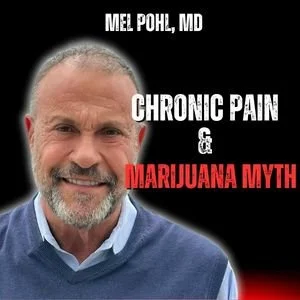
Chronic Pain and Marijuana Myth with Dr Mel Pohl
I’ll be honest, this is one of those conversations I really wish more people were having out loud.
On this episode of The Gaslit Truth Podcast, Dr. Teralyn Sell and I sat down with Dr. Mel Pohl to talk about chronic pain in a way that actually respects what people are going through. Because what I see over and over again is people getting dismissed before they ever get real help. You’re told your scans are “fine” or that it’s “just anxiety,” and suddenly you’re left holding very real pain while also starting to question yourself.
That’s a tough place to be.
What we wanted to do in this episode was bring some honesty and clarity to the conversation. Chronic pain isn’t just about tissue damage. The brain and nervous system play a huge role in keeping that pain signal going, even after an injury has healed. That doesn’t mean the pain isn’t real. It means your system has learned a pattern and it’s still running it.
The Dark Side of Psych Meds on Oral Health | The Gaslit Truth Podcast with Dr Teralyn Sell and Therapist Jenn Schmitz
I’m going to say something that might irritate you a bit: if your gums are receding, your teeth are failing, or your bone density is dropping, and the only answer you’ve been given is “brush better” or “that’s just aging,” you’re not being treated, you’re being dismissed.
On this episode of The Gaslit Truth Podcast, Dr. Teralyn Sell and I go straight at something I see often in my therapy office: people doing everything “right” and still watching their oral health fall apart. That’s not random, and it’s not just aging. Especially when I’m working with people on or coming off psychiatric medications, or those carrying a heavy toxic load, the pattern is too consistent to ignore.
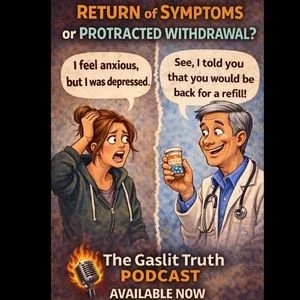
Is it Relapse or Withdrawal: The Truth About Protracted Withdrawal from Psychiatric Medication
I’m 2.5 years into tapering off Lexapro. YES - you read that accurately….2.5 YEARS. If you had asked me at the beginning what this would look like, I would have given you the same answer most of us are given: a few uncomfortable weeks, maybe a bump in anxiety, then done. That’s what we’re told. The drug “leaves your body,” so withdrawal should be short, right?
That hasn’t been my reality. Not even close.
What I’ve lived through is something very different—something people don’t talk about enough, something many doctors still don’t fully acknowledge: protracted withdrawal. And in the latest episode of The Gaslit Truth Podcast, I’m getting brutally honest about what that actually looks like.
Because here’s the part that messes with your head: you stop or taper off an SSRI, and maybe at first things seem manageable. Then weeks or months later, your sleep collapses. Your anxiety ramps up in a way that feels chemical, not situational and akathisia sets in. Your body starts hurting in ways that don’t make sense. Your nervous system feels like it’s been plugged into an outlet. And when you go back for help, you’re told it must be your “condition” returning.
That gap—between what you were promised and what you’re actually living—is where protracted withdrawal hides. And it’s a lonely, disorienting place to be.
"It's not a matter of training...it's not a matter of proof...it's about being stuck in an old paradigm, not being educated, not having the time or the interest or the proclivity."
Leslie Korn PhD, MPH, LMHC, ACS, FNTP, BCTMB